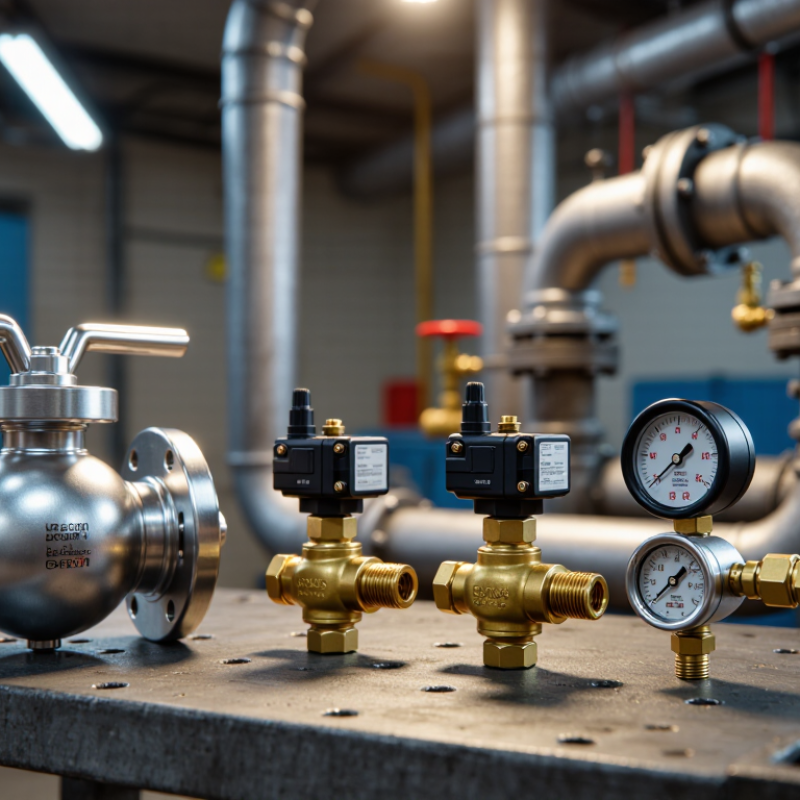
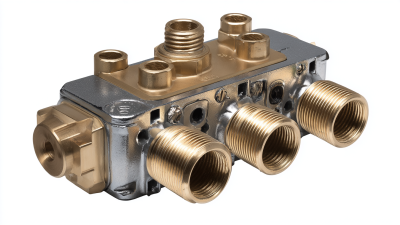
Choosing the right gas valve in 2026 requires more than comparing prices or catalog photographs. Global buyers face different gases, pressures, temperatures, connection standards, and installation environments. A valve that performs well on a city-gas line may fail in a high-pressure industrial system. Ball valves offer simple isolation and quick operation. Solenoid valves support automated shutoff. Needle valves provide finer flow adjustment. Regulators help control outlet pressure, but they cannot replace every safety function. Material matters too. Brass suits many general applications, while stainless steel may better resist corrosion, moisture, or aggressive surroundings. These choices require documented engineering review.
This guide compares practical gas valve options for commercial, residential, and industrial purchasing teams in 2026. It examines pressure ratings, sealing materials, actuation methods, fire-safe features, maintenance access, and expected service life. Reliable selection begins with the actual medium, not a familiar product name. Confirm fuel compatibility and operating limits. Check certifications and test records for the destination market. Ask suppliers for drawings, batch traceability, inspection reports, and clear warranty terms. Small details matter. A poorly matched thread can delay an entire installation. An unclear fail-safe position can create serious operational risk. No single design wins every project. That point deserves attention. Product data can also be incomplete, so buyers should challenge attractive claims. By weighing technical evidence, supplier experience, and total ownership cost, global buyers can choose a gas valve with greater confidence and fewer expensive surprises.
Gas valves control the movement of fuel gas through pipes, appliances, and industrial equipment.
They work by changing an internal passage. A ball valve opens quickly with a quarter turn. A gate valve provides straight, low-resistance flow. A globe valve supports more controlled adjustment. Needle valves handle fine flow changes in smaller lines. Solenoid valves use electrical signals for automatic shutoff. Regulators also manage pressure, but they are not simple on-off devices.
The correct choice depends on gas type, pressure, temperature, pipe size, and required flow control. Materials must resist corrosion and remain compatible with the gas. A valve for a small cooking appliance may not suit a high-pressure process line. Safety shutoff valves should close reliably during power loss or abnormal pressure. Certification requirements differ between countries, so documentation matters. One overlooked detail can weaken an otherwise careful selection.
Tips: Check the valve’s pressure rating, connection standard, sealing material, and operating direction. Confirm local approval requirements before purchase. Ask for test records and installation instructions. Avoid choosing by price alone. A cheaper valve may create higher maintenance costs later. Even experienced buyers can miss a thread standard or fail-safe feature. That is why every specification deserves a second review.
Choosing a gas valve starts with the application, not the catalog photograph. A valve is not chosen by size alone. Residential cookers often use compact manual shutoff valves with clear position indicators. They should close smoothly and match the appliance connection. For boilers and commercial kitchens, automatic safety shutoff valves may be more suitable. They can stop gas flow during flame failure, pressure loss, or an emergency signal. Response time matters here. Installers should verify pressure range, temperature limits, sealing material, and required certification for each market.
Industrial burners need a more deliberate assessment. Solenoid valves support remote control, while regulating valves help maintain stable downstream pressure. High-flow systems may require filters, regulators, pressure switches, and venting provisions. For LPG service, material compatibility and low-temperature performance deserve close attention. Natural gas systems may face different flow and pressure conditions. Outdoor installations also need weather resistance and corrosion protection. A qualified engineer should review the piping layout, hazard controls, and maintenance access before purchase.
The best valve depends on failure consequences. A normally closed design can reduce risk during power loss, but it may interrupt essential processes. That trade-off is easy to overlook. Buyers sometimes choose a cheaper valve and later discover incompatible actuators, threads, or spare parts. Request test documents, installation instructions, and traceable inspection records. Local codes remain decisive, even when an international specification appears familiar. Recheck the choice after commissioning; real pressure readings can expose assumptions made during design.
2026 Best Gas Valve Types for Global Buyers?
How to Compare Gas Valve Materials, Pressure Ratings, and Sizes?
Choosing a gas valve starts with the service conditions, not the product photo. Ball valves suit quick isolation, while globe valves support more controlled flow. Check valves prevent reverse movement. Each type solves a different operating problem.
Material selection requires practical judgment. Brass can work well in many clean, moderate-temperature gas systems. Carbon steel offers strength for larger industrial lines. Stainless steel may better resist moisture, corrosion, or aggressive environments. Verify body, stem, seat, and seal compatibility separately. One material choice rarely covers every internal part.
Pressure ratings need careful reading. A valve marked for high pressure may lose capacity at elevated temperatures. Always compare the rating with operating pressure, temperature, gas composition, and connection standard. Regional standards can also change testing and documentation requirements. Ask for traceable test reports and clear installation limits.
Size should follow required flow, pressure drop, and connection dimensions. A valve matching the pipe diameter may still restrict flow. Review the flow coefficient, upstream pressure, downstream pressure, and expected demand. Oversizing can reduce control accuracy and increase cost. Undersizing creates noise and unnecessary pressure loss.
In field reviews, I have seen buyers focus too heavily on nominal size. I made that mistake early in procurement work. The selected valve fitted perfectly, yet its flow capacity was inadequate. Recheck the calculations. Small details matter.
For global gas valve buyers, safety depends on the applicable standard, not the product name. ISO 23550 establishes general requirements for gas burner and appliance control devices. Its ISO 23551 series adds detailed requirements for valves, regulators, filters, and automatic shut-off devices. These standards address leakage, pressure resistance, materials, durability, and safe operation.
Regional rules still matter. EN 161 covers automatic shut-off valves used with gas burners and appliances. EN 331 covers manually operated metallic valves for gas installations. In North America, buyers may encounter ASME B16.44, ANSI Z21.15, or ANSI Z21.21, depending on valve design and application. These documents can differ in pressure limits, testing methods, and certification procedures. Check the installation country carefully.
A datasheet can look complete and still hide a mismatch. Verify gas type, connection size, pressure range, temperature limits, and intended installation position. Ask for test reports linked to the exact model, not a similar family. Factory inspection should include seal checks, thread quality, actuator response, and package protection. Certification alone is not enough. Local authorities may require additional approvals, and requirements can change after design or material updates. No standard answers every installation question. That is where technical review becomes essential.
Use this comparison as a preliminary selection guide. The applicable requirements depend on the gas composition, pressure, temperature, installation location, flow duty, actuation method, jurisdiction, and certification route.
| Gas Valve Type | Typical Global Applications | Main Operating Function | Typical Gas Service | Key Performance Factors | Primary Standards and Codes | Typical Buyer Priority | Important Selection Checks |
|---|---|---|---|---|---|---|---|
| Manual Ball Valve | Building gas branches, appliance isolation, meter connections, commercial kitchens, and low-pressure distribution systems. | Quarter-turn manual isolation with a relatively low flow restriction when fully open. | Natural gas, manufactured gas, propane, and other compatible fuel gases, subject to material and sealing compatibility. | Leak tightness, pressure rating, operating torque, fire exposure requirements, corrosion resistance, and end-connection integrity. | EN 331 ASME B16.44 ISO 5208 | High for simple, visible isolation. | Confirm valve size, pressure class, connection standard, gas family, installation orientation, and whether a lockable handle is required. |
| Manual Plug Valve | Gas distribution, industrial fuel trains, utility installations, and applications where a compact quarter-turn valve is preferred. | Manual on/off isolation using a tapered or cylindrical plug. | Fuel gas and process gas services selected according to body, plug, seat, and lubricant compatibility. | Sealing reliability, breakaway torque, lubrication requirements, stem retention, emissions control, and resistance to contamination. | EN 331 ISO 5208 ISO 15848-1 | Medium to high where compact isolation is important. | Check whether the valve is approved for the intended installation category and whether lubrication or maintenance is permitted in the gas path. |
| Automatic Shut-Off Valve | Burner trains, boilers, furnaces, ovens, industrial heating equipment, and appliance safety systems. | Automatically closes the gas supply when an unsafe condition, control signal, or power failure occurs. | Fuel gases supplied to burners and gas-burning appliances. | Closing time, fail-safe action, leakage rate, reset method, electrical rating, pressure differential, cycling endurance, and valve-class performance. | EN 161 ISO 23551-1 NFPA 54 IEC 61508 | Very high for combustion safety. | Verify normally-open or normally-closed behavior, manual or automatic reset, proof-of-closure requirements, leakage class, and control-voltage compatibility. |
| Pressure-Regulating Valve | Service regulators, appliance supply systems, industrial gas trains, and pressure-reduction stations. | Reduces and maintains downstream gas pressure within a defined operating range. | Natural gas, propane, butane, and compatible process gases. | Inlet and outlet pressure range, flow capacity, droop, lock-up pressure, overpressure protection, noise, icing resistance, and venting behavior. | EN 334 EN 88-1 NFPA 54 NFPA 58 | Very high where stable downstream pressure is required. | Size for minimum and maximum flow, not only nominal pipe size. Confirm regulator lock-up, relief arrangement, vent location, and gas density. |
| Pressure Relief Valve | Gas pressure-control assemblies, storage systems, distribution stations, and equipment requiring overpressure protection. | Relieves gas when pressure exceeds a defined set point to protect downstream equipment. | Fuel gas and LPG systems, subject to the specific valve design and jurisdictional rules. | Set pressure, relieving capacity, reseating behavior, back pressure, discharge routing, temperature effects, and tamper resistance. | NFPA 54 NFPA 58 EN 14382 ASME BPVC Section VIII | Very high for pressure-boundary protection. | Confirm required relieving rate, allowable discharge location, set-pressure tolerance, reseat pressure, and whether local authority approval is required. |
| Excess-Flow Valve | LPG cylinders, tanks, transfer lines, hoses, and installations where a line break could cause uncontrolled flow. | Restricts or stops gas flow when the flow exceeds a calibrated threshold. | Liquefied petroleum gas and other applications specifically designed for excess-flow protection. | Closing flow, normal operating flow, reset behavior, pressure drop, orientation, contamination tolerance, and compatibility with liquid or vapor service. | NFPA 58 EN 16129 ISO 23551-2 | High for hose and piping rupture protection. | Set the trip point above normal peak flow but below the hazardous flow expected after a rupture. Check whether automatic reset is permitted. |
| Solenoid Gas Valve | Burner management systems, emergency shutoff systems, gas trains, process equipment, and automated fuel systems. | Electrically opens or closes gas flow in response to a control or safety signal. | Natural gas, LPG vapor, and other gases covered by the valve certification and seal materials. | Fail-safe position, response time, leakage rate, coil duty, power consumption, electrical enclosure, cycling life, and pressure differential. | EN 161 ISO 23551-1 IEC 60529 IEC 60079 | Very high for automated emergency isolation. | Match voltage and frequency, define energized-to-open or energized-to-close logic, check hazardous-area classification, and verify closing time. |
| Double-Block-and-Bleed Valve Assembly | Industrial burner trains, high-integrity fuel gas systems, process plants, and systems requiring gas-tight separation. | Uses two shutoff barriers with an intermediate bleed, vent, or proving connection. | Industrial fuel gas and process gas systems. | Independent isolation, valve proving, inter-valve pressure monitoring, leakage detection, maintenance isolation, and safe venting. | EN 676 EN 161 NFPA 54 IEC 61508 | Very high where hazardous gas accumulation must be minimized. | Define the required proving sequence, vent destination, test frequency, valve independence, proof pressure, and control-system safety integrity. |
| Pipeline Trunnion or Floating Ball Valve | Transmission pipelines, gas processing facilities, storage terminals, compressor stations, and mainline isolation points. | Provides full-bore or reduced-bore pipeline isolation with manual, pneumatic, hydraulic, or electric actuation. | Natural gas, treated gas, and compatible hydrocarbon or process gas services. | Pressure class, full-bore diameter, bidirectional or unidirectional sealing, fugitive emissions, fire safety, emergency shutdown, and piggability. | API 6D ISO 14313 ISO 5208 ISO 15848-1 | Very high for transmission and high-pressure isolation. | Confirm pipeline design code, pressure-temperature envelope, sour-service requirements, actuator sizing, emergency shutdown logic, and fire-tested design where required. |
| Butterfly Valve | Large-diameter gas pipelines, utility distribution, air-gas systems, and applications where low weight and compact installation are beneficial. | Quarter-turn flow isolation or throttling using a rotating disc. | Clean or moderately clean gas services compatible with the seat and shaft materials. | Pressure drop, disc clearance, seat design, torque, shaft retention, emissions, cavitation-like noise effects, and shutoff capability. | API 609 ISO 10631 ISO 5208 ISO 15848-1 | Medium to high for large-diameter, lower-weight installations. | Verify whether the design is intended for isolation or throttling, and check seat compatibility, allowable pressure differential, actuator torque, and installation clearance. |
| Check Valve | Compressor discharge lines, gas storage systems, fuel-gas manifolds, and systems requiring reverse-flow prevention. | Permits flow in one direction and limits reverse flow without continuous external actuation. | Natural gas, LPG vapor, hydrogen-compatible service, or process gases only when materials and design are qualified. | Cracking pressure, reverse leakage, slam prevention, pressure drop, orientation, dynamic stability, and closure speed. | API 6D API 594 ISO 14313 ISO 5208 | High where reverse flow can damage equipment or create a hazard. | Assess pulsating flow, compressor operation, line velocity, installation orientation, slam risk, and the consequences of reverse leakage. |
| Emergency Shutoff Valve | LPG filling and unloading systems, storage facilities, refueling installations, process plants, and remotely supervised gas systems. | Rapidly isolates gas flow during fire, impact, leak detection, loss of power, or emergency-stop activation. | LPG, natural gas, and industrial fuel gas according to the certified design. | Fail-safe actuation, closing time, fire exposure, remote reset, manual override, breakaway protection, position indication, and actuator reliability. | NFPA 58 EN 161 API 6D IEC 61508 | Very high for high-consequence installations. | Define the initiating signals, safe state, available power, manual emergency access, fire-safe requirements, remote indication, and periodic test procedure. |
| Gas Meter Valve | Residential, commercial, and utility meter installations where the gas supply must be isolated or controlled at the meter set. | Provides manual, remotely operated, or excess-flow isolation associated with a gas meter assembly. | Natural gas and LPG vapor where permitted by the local distribution rules. | Low leakage, compact dimensions, tamper resistance, operating torque, pressure loss, sealing performance, and compatibility with utility metering practice. | EN 331 EN 161 ISO 5208 Local utility code | High for metered building supplies. | Confirm meter connection geometry, approved installation position, accessibility, sealing method, tamper requirements, and local utility acceptance. |
| Hydrogen- or Hydrogen-Blend-Compatible Valve | Hydrogen production, blending networks, industrial gas systems, laboratories, and specially qualified fuel-gas infrastructure. | Performs isolation, regulation, non-return, or emergency shutdown functions in hydrogen service. | Hydrogen or hydrogen-natural-gas blends, only within the valve's documented material and design limits. | Hydrogen embrittlement resistance, permeation, leakage, seal compatibility, pressure cycling, ignition risk, cleanliness, and material traceability. | ISO 11114 ISO 19880-3 ISO 15848-1 IEC 60079 | Very high for hydrogen-specific projects. | Do not assume natural-gas approval covers hydrogen. Confirm hydrogen concentration, pressure cycle, material compatibility, permeation limits, cleanliness, and leakage test method. |

Selecting gas valves in 2026 should begin with the gas, not the product catalog. Identify the medium, pressure range, temperature, flow direction, and installation environment. Natural gas, propane, hydrogen blends, and industrial gases can require different sealing materials and valve designs. A ball valve may suit quick isolation, while a globe valve can support more controlled flow. Do not guess.
Global buyers should request test reports, material certificates, pressure ratings, and traceable production records. Check whether the valve meets applicable regional requirements for safety, emissions, fire resistance, and installation. Certification alone is not enough. Verify the certificate scope, testing laboratory, and production date. A copied document can hide a serious problem.
Before placing a large order, ask for samples and inspect thread quality, actuator response, labeling, and packing protection. Conduct pressure and leakage tests under realistic conditions. Review factory quality controls, calibration records, inspection plans, and corrective-action history. Remote audits help, but they cannot reveal every weakness. An independent inspection before shipment may cost more, yet it can prevent costly field failures. Confirm spare parts, warranty terms, lead times, customs documents, and communication procedures in writing. Some buyers focus heavily on unit price and overlook replacement delays. That choice often becomes expensive. Suppliers should also explain design changes before production, because a small seal or material change can affect safety, compatibility, and approval status.
Accreditations
ISO 9001 Quality Management
HSE Management Compliant
Products and services comply with relevant Australian (AS) and international (ISO, etc.) Standards.
"*" indicates required fields