
Choosing the right Powder Feeder can influence dosing accuracy, production stability, and long-term operating costs. Global buyers often compare manufacturers by more than catalog specifications. They examine feeding precision, material compatibility, service response, spare-parts availability, and documented testing. A reliable supplier should explain how its equipment handles fine powders, cohesive materials, and changing flow rates. Small details matter. For example, a poorly sealed hopper may allow moisture to affect performance during a humid production shift. An experienced manufacturer will usually discuss calibration methods, cleaning access, control integration, and operator training before recommending a model.
This guide reviews ten Powder Feeder manufacturers serving international markets. The comparison considers technical experience, application coverage, manufacturing capabilities, quality procedures, and support for overseas customers. It also looks at practical evidence, including case histories, product documentation, testing options, and installation guidance. Marketing claims alone are not enough. Buyers should verify tolerances under their actual powder conditions. That step is sometimes overlooked. Particle size, bulk density, temperature, and electrostatic behavior can change feeder performance significantly. The selected companies may differ in specialization, price positioning, and regional service strength, so no single supplier suits every facility. Some information may require direct confirmation because product ranges and certifications change over time. Careful evaluation remains essential. Clear communication with manufacturers can prevent costly surprises after delivery.
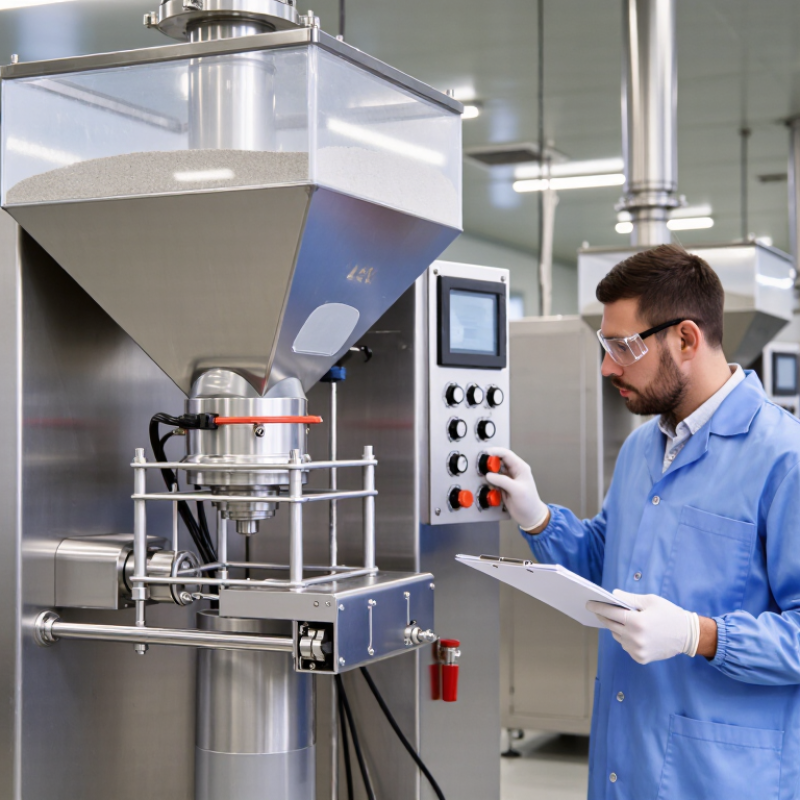
Top 10 Powder Feeder Manufacturers for Global Buyers
What Powder Feeders Are and Why Global Buyers Need Them
A powder feeder is a controlled dosing system for dry, free-flowing, or difficult powders. It usually combines a hopper, agitator, metering screw, and control unit. Gravimetric models measure weight continuously, while volumetric models estimate output from speed and volume. The difference matters when density changes during production.
Powder feeders support additive manufacturing, chemical processing, pharmaceuticals, food production, and powder coating. The Wohlers Report 2024 valued the global additive manufacturing industry at 20.035 billion dollars in 2023. Its growth increases demand for stable powder delivery in metal, polymer, and ceramic applications. Grand View Research also estimated the powder coatings market at more than 15 billion dollars in 2023. These figures show why accurate powder handling is becoming an international purchasing priority.
Global buyers need more than a quoted feeding rate. They should check particle size, moisture sensitivity, bulk density, bridge formation, and cleaning access. A feeder that works well with plastic powder may struggle with cohesive mineral material. That assumption is convenient, but incomplete. In practical plant evaluations, calibration records often reveal more than promotional specifications. Buyers should also confirm electrical standards, documentation, spare-part availability, and remote service coverage. Small errors can create visible streaks, uneven coating thickness, or rejected batches. The best selection depends on tested material behavior, not catalog capacity alone.
Powder feeders are precision dosing systems used to transfer and control dry powders, granules, and fine particulate materials in continuous or batch processes. The following comparison presents anonymized manufacturer profiles and representative equipment specifications commonly available in the global market.
| Rank | Anonymous Manufacturer Profile | Primary Feeder Technology | Typical Material Suitability | Typical Throughput | Typical Accuracy | Hopper Capacity | Common Industries | Key Global-Buyer Advantage |
|---|---|---|---|---|---|---|---|---|
| 1 | Profile A — Precision Gravimetric Supplier | Loss-in-weight screw feeder | Fine powders, cohesive powders, additives, pigments | 0.05–1,500 kg/h | ±0.5–1.0% | 5–200 L | Plastics, chemicals, food processing, pharmaceuticals | High dosing precision and automatic refill integration |
| 2 | Profile B — High-Capacity Volumetric Supplier | Volumetric twin-screw feeder | Free-flowing powders, pellets, premixes, granules | 1–3,000 kg/h | ±1.0–2.0% | 20–500 L | Compounding, animal feed, construction materials, agriculture | High output with relatively simple operation and maintenance |
| 3 | Profile C — Micro-Dosing Specialist | Miniature single-screw gravimetric feeder | Low-rate additives, catalysts, colorants, active ingredients | 0.005–50 kg/h | ±0.25–0.75% | 0.5–20 L | Pharmaceuticals, specialty chemicals, laboratory production | Suitable for low feed rates and valuable materials |
| 4 | Profile D — Hygienic Food-Process Supplier | Sanitary twin-screw gravimetric feeder | Flour, starch, sugar, milk powder, nutritional powders | 0.1–1,000 kg/h | ±0.5–1.5% | 10–300 L | Food, beverage, nutrition, pet food | Washdown-friendly construction and tool-free cleaning options |
| 5 | Profile E — Pharmaceutical Containment Supplier | Contained loss-in-weight feeder | Potent compounds, excipients, APIs, inhalation powders | 0.01–300 kg/h | ±0.25–1.0% | 2–100 L | Pharmaceuticals, biotechnology, medical materials | Closed handling, dust control, and validation support |
| 6 | Profile F — Abrasive-Material Supplier | Heavy-duty screw feeder | Mineral powders, cement, ash, silica, abrasive solids | 10–10,000 kg/h | ±1.0–3.0% | 50–1,500 L | Cement, mining, ceramics, building materials | Wear-resistant components and high-volume conveying capability |
| 7 | Profile G — Explosive-Atmosphere Supplier | ATEX-compatible gravimetric feeder | Combustible dusts, organic powders, metal powders | 0.1–2,000 kg/h | ±0.5–1.5% | 10–400 L | Chemicals, food ingredients, pharmaceuticals, metal processing | Safety-oriented designs for hazardous dust environments |
| 8 | Profile H — Loss-in-Weight Retrofit Supplier | Modular single-screw feeder | Polymers, masterbatch, regrind, dry additives | 0.1–1,200 kg/h | ±0.5–2.0% | 10–250 L | Plastics extrusion, recycling, rubber processing | Compact retrofit design and compatibility with existing lines |
| 9 | Profile I — Multi-Feeder System Supplier | Integrated gravimetric batching system | Multi-ingredient blends, premixes, powders with different flow properties | 1–5,000 kg/h per line | ±0.5–1.5% | 20–600 L per feeder | Food, chemicals, plastics, compound manufacturing | Centralized control, recipe management, and production traceability |
| 10 | Profile J — Laboratory and Pilot-Plant Supplier | Small-scale loss-in-weight feeder | Research powders, specialty chemicals, trial formulations | 0.001–100 kg/h | ±0.25–1.0% | 0.2–30 L | Research laboratories, universities, pilot plants, specialty production | Flexible scale-up testing and low material consumption |
Powder feeders move measured solids into mixers, reactors, presses, and packaging lines. The main types include loss-in-weight, volumetric, screw, vibratory, and gravimetric feeders. Loss-in-weight models continuously monitor hopper weight, supporting accurate dosing during changing flow conditions. Volumetric feeders cost less, but their accuracy depends on stable bulk density. That limitation matters with cohesive powders.
Screw feeders suit flour, minerals, pigments, and polymer additives. Twin-screw designs often improve flow for sticky or poorly aerated materials. Vibratory feeders handle free-flowing granules gently, especially in food and pharmaceutical production. Gravimetric systems are stronger choices for high-value ingredients, where a small dosing error becomes expensive. According to MarketsandMarkets, the global bulk material handling system market is projected to grow at roughly 5% annually through the decade. This growth reflects wider automation and traceability requirements.
Applications change the specification. Food lines may require tool-free cleaning and stainless-steel contact parts. Chemical plants often need sealed transfers, dust control, and corrosion-resistant construction. Powder metallurgy demands repeatable feeding under high cycle rates. Grand View Research reports that the powder metallurgy market is expanding steadily, supported by automotive and industrial applications. Still, market growth does not guarantee a correct feeder choice. Moisture, particle size, bridge formation, and refill frequency can disrupt performance. A practical trial with the actual powder remains essential. Small details decide reliability.
Top 10 Powder Feeder Manufacturers for Global Buyers
When evaluating powder feeder manufacturers worldwide, begin with measurable performance, not catalog language. A 2024 MarketsandMarkets report estimates the global powder processing equipment market will grow at over 6% annually through 2029. This expansion increases supplier choice, but it also makes comparison harder. Request test data for feed-rate accuracy, repeatability, and response time. Check results at low, medium, and maximum throughput. A feeder delivering 100 kilograms per hour may perform poorly at one kilogram. That detail matters.
Inspect the design closely. Ask whether the contact parts suit your powder’s moisture, abrasiveness, and particle size. Confirm cleaning access, dust control, calibration procedures, and spare-part availability in your region. ISO 5725 provides a useful framework for discussing repeatability and reproducibility. However, supplier figures may use different test conditions. Do not compare numbers blindly. In my experience, a witnessed factory test reveals more than a polished brochure. Still, even a successful test cannot predict every plant condition. Humidity changes. Operators make mistakes.
Tips: Ask for three customer references with similar powders. Request a full test protocol and raw data. Verify certification for your destination market, including electrical, machinery, and workplace-safety requirements. Calculate total ownership cost over five years, not only purchase price. A cheaper feeder can become expensive after frequent cleaning, unstable dosing, or delayed service. Record every assumption. That is where evaluations often fail.
This 100-point procurement scorecard highlights the main criteria global buyers typically assess when comparing powder feeder manufacturers. Accuracy, repeatability, material compatibility, and process integration are weighted most heavily because they directly affect product quality, production stability, and operating costs.
The leading ten powder feeder manufacturers differ mainly in precision, application knowledge, and service depth. The first group excels in loss-in-weight feeding, maintaining stable dosing during density changes. Another group focuses on gravimetric control, recipe storage, and rapid calibration. Some manufacturers build strong vacuum conveying systems for dusty powders. Others specialize in twin-screw designs for cohesive, sticky, or fragile materials. Hygienic stainless-steel construction remains a core strength for food and pharmaceutical processing. Industrial suppliers often prioritize rugged frames, simple maintenance, and long operating cycles. The strongest engineering teams also provide testing with the buyer’s actual powder, not only catalog samples.
Data supports this direction. The 2024 Deloitte Smart Manufacturing Survey reports that 86% of manufacturers consider smart manufacturing important for competitiveness. That finding explains the growing value of feeders with sensors, remote diagnostics, and traceable data. A 2024 MarketsandMarkets industry report also identifies automation and process control as major drivers in powder-handling equipment demand. However, published market estimates vary widely. Buyers should question unsupported growth claims.
Practical experience still matters. A feeder may perform accurately in a laboratory and struggle beside a vibrating mill. Moisture, bridge formation, particle shape, and refill timing can change results quickly. Leading manufacturers therefore offer vibration control, agitation options, dust containment, and onsite commissioning. The best supplier is not always the largest. It is the one that documents repeatability, explains limitations, and responds quickly when powder behavior changes. That last point is often underestimated. Endless specifications do not replace a controlled trial.
Global purchasing involves more than comparing prices and output rates. Experienced buyers review feeder accuracy, material compatibility, voltage requirements, and spare-part availability. They also request traceable test reports, clear quotations, and realistic delivery schedules. A low initial price can hide costly calibration work later.
Compliance should be checked before payment. Ask for electrical documentation, safety instructions, equipment specifications, and export records that match the destination market. Requirements differ by country and application. Do not rely on verbal promises. Get every critical point in writing. A supplier may respond quickly yet provide incomplete drawings. That is a warning sign.
Installation support can determine long-term performance. Confirm whether remote commissioning, operator training, and local service partners are available. Request foundation details, connection diagrams, cleaning procedures, and recommended maintenance intervals. Watch the first test run carefully. Powder buildup, unstable feeding, or unexpected vibration may reveal design limitations. After-sales support should include response times, diagnostic guidance, replacement-part lists, and warranty terms. Good manufacturers explain faults without blaming the operator. Still, no supplier is perfect. Buyers should record installation issues and review them with the supplier. This honest feedback often improves the final setup. Select manufacturers that communicate clearly before, during, and after delivery.
Accreditations
ISO 9001 Quality Management
HSE Management Compliant
Products and services comply with relevant Australian (AS) and international (ISO, etc.) Standards.
"*" indicates required fields