
China’s Natural Fiber Cellulose industry combines large-scale production with increasingly specialized material engineering. Suppliers serve textile, paper, food, pharmaceutical, construction, and biodegradable packaging markets. Their portfolios may include cotton linter cellulose, wood-pulp cellulose, bamboo cellulose, dissolving pulp, and regenerated cellulose fibers.
As plant cell biologist Dr. R. Malcolm Brown Jr. has observed, “Cellulose is the most abundant biopolymer on Earth.” This simple statement explains the material’s importance. Cellulose can offer renewability, strength, moisture management, and useful fiber-forming properties. Yet performance depends on more than the raw material. Fiber length, purity, crystallinity, brightness, moisture content, and processing stability require careful evaluation.
This China Top 10 Natural Fiber Cellulose Suppliers overview focuses on practical supplier differences. It considers manufacturing experience, product consistency, testing capacity, certifications, export support, and application knowledge. Factory scale matters. It is not everything. A smaller producer may provide faster customization, while a larger company may offer stronger supply security. Buyers should request current technical data, sample testing, batch records, and evidence of responsible sourcing. Certifications can support confidence, but they do not replace independent verification.
The ranking should therefore be viewed as a research starting point, not a final purchasing decision. Market information changes. Product claims can also sound broader than actual specifications. That deserves reflection. Reliable partnerships grow through transparent communication, repeat testing, and clearly defined performance requirements. For engineers, manufacturers, and procurement teams, the strongest supplier is the one that consistently connects Natural Fiber Cellulose quality with real production needs.
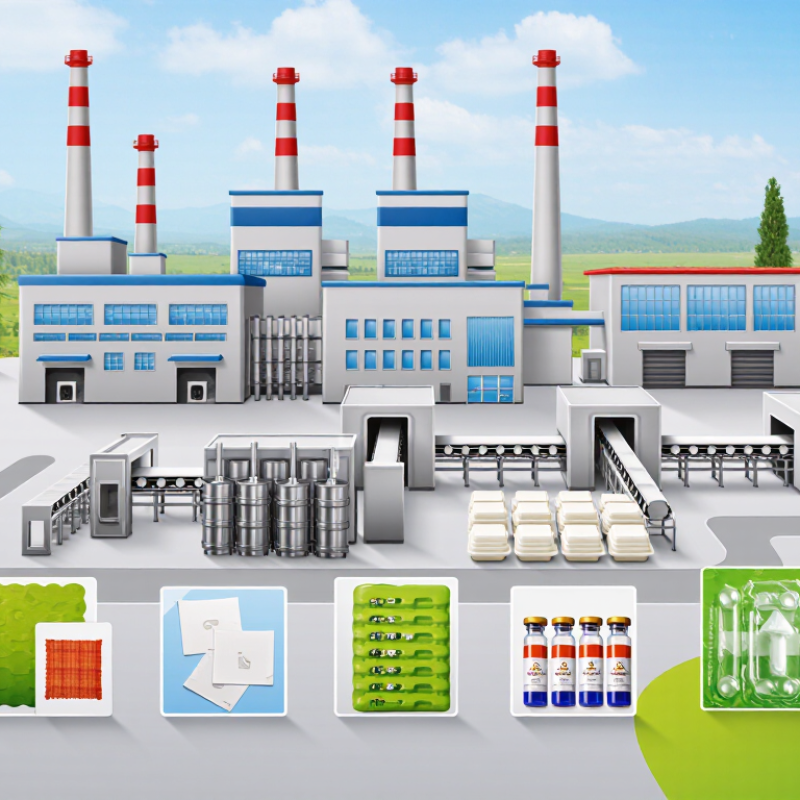
China Top 10 Natural Fiber Cellulose Suppliers
Natural Fiber Cellulose: Definition, Uses, and Market Scope in China
Natural fiber cellulose is a plant-based polymer made mainly from wood, cotton linters, bamboo, and crop residues. It forms strong, flexible fibers with a pale, clean appearance. In China, manufacturers process cellulose into pulp, powders, fibers, films, and specialty additives. The material feels simple, but its performance depends on purity, moisture, fiber length, and processing conditions.
Its uses extend across paper, textiles, packaging, construction materials, food processing, and pharmaceutical excipients. Cellulose fibers can reinforce molded packaging and improve paper strength. Fine cellulose powders may control texture in coatings or dry mixtures. Some textile applications use regenerated cellulose rather than raw natural fibers. The difference matters. “Natural” does not automatically mean biodegradable, safe, or low-impact.
China has a broad cellulose supply chain, supported by forest resources, cotton processing, bamboo cultivation, and agricultural waste. Buyers often compare the country’s leading ten suppliers by capacity, testing systems, delivery stability, and customization experience. Reliable sourcing should include batch records, moisture reports, impurity testing, and clear origin data. Factory visits can reveal storage problems that brochures hide. I have seen specifications look precise while actual samples vary slightly. That gap deserves attention. Market demand is growing in sustainable packaging, functional materials, and low-carbon manufacturing, although recycling systems and consistent raw-material quality still need improvement.
| No. | Natural Cellulose Fiber Category | Primary Biological Source | Typical Cellulose Content (% of Dry Fiber) | Common Supply Forms in China | Major Uses | Market Scope in China |
|---|---|---|---|---|---|---|
| 1 | Cotton Fiber | Cotton bolls and linters | Approximately 82–96% | Baled staple fiber, cotton linters, refined cellulose pulp | Textiles, nonwovens, medical products, cellulose derivatives, specialty papers | Large textile base, mature processing infrastructure, and strong demand for absorbent and medical materials |
| 2 | Flax Fiber | Stems of the flax plant | Approximately 65–75% | Long fiber, tow, sliver, yarn, woven fabric, nonwoven web | Apparel, home textiles, technical textiles, composites, insulation materials | Supported by demand for breathable, low-impact, and premium plant-based textiles |
| 3 | Hemp Fiber | Bast and stem tissues of industrial hemp | Approximately 55–72% | Decorticated fiber, tow, yarn, fabric, pulp, composite reinforcement | Clothing, ropes, geotextiles, paper, automotive and construction composites | Growing in sustainable textiles and bio-based composite applications, subject to regulatory controls |
| 4 | Ramie Fiber | Bast of the ramie plant | Approximately 68–76% | Raw fiber, degummed fiber, sliver, yarn, fabric | Apparel, household textiles, blended fabrics, industrial cords and specialty textiles | Relevant to China’s traditional bast-fiber processing sector and natural textile blends |
| 5 | Jute Fiber | Bast of jute plants | Approximately 60–72% | Raw fiber, yarn, woven cloth, sacks, mats, pulp and nonwoven materials | Packaging, shopping bags, floor coverings, agriculture textiles and geotextiles | Benefits from replacement of selected plastic packaging and demand for biodegradable materials |
| 6 | Sisal Fiber | Leaves of Agave sisalana | Approximately 65–72% | Bristle fiber, yarn, rope, twine, matting and pulp | Ropes, agricultural twine, floor mats, brush products, paper and composites | Niche but stable demand in agriculture, logistics, household products and composite materials |
| 7 | Kenaf Fiber | Bast and core of kenaf stems | Approximately 45–57% | Bast fiber, core chips, pulp, fiberboard and composite feedstock | Pulp and paper, packaging, insulation boards, molded products and biocomposites | Emerging agricultural-residue and lightweight-material opportunity in selected regions |
| 8 | Bamboo Fiber and Bamboo Pulp | Bamboo culms and processing residues | Approximately 40–65% in raw bamboo materials | Bamboo strips, mechanically processed fiber, pulp and regenerated cellulose feedstock | Paper, flooring, household goods, textiles, packaging and composite products | Broad domestic resource base and strong integration with forestry, paper and consumer-goods industries |
| 9 | Wood Cellulose Pulp | Hardwood and softwood timber | Approximately 40–50% cellulose in wood; purified pulp is substantially cellulose-rich | Bleached kraft pulp, dissolving pulp, fluff pulp and specialty pulp | Paper, tissue, packaging, viscose, lyocell, cellulose acetate and other derivatives | Core feedstock for China’s paper, hygiene, textile and cellulose-chemical industries |
| 10 | Sugarcane Bagasse Fiber | Fibrous residue remaining after sugarcane milling | Approximately 40–55% | Dried bagasse, depithed fiber, pulp, molded-pulp sheets and fibers | Food-service packaging, paper, molded fiber products, boards and bio-based composites | Supported by circular-economy initiatives and substitution of selected foam and plastic packaging |
Note: Cellulose-content figures are typical indicative ranges for untreated dry plant materials or fibers and may vary according to species, cultivation conditions, harvesting, retting, pulping, and measurement method. Mechanically processed bamboo fiber should be distinguished from regenerated bamboo viscose or lyocell.