
Excavator Tracks are the working foundation of a tracked excavator. They carry the machine’s weight, transfer engine power, and maintain contact with uneven ground. Beneath the steel chain, rollers, idlers, sprockets, and track shoes work together. Each component has a specific job. Together, they create controlled movement.
When hydraulic motors turn the sprocket, its teeth engage the track links. The links then travel around the undercarriage. This motion pushes against the ground and moves the excavator forward or backward. Wider shoes improve stability on soft soil. Narrower shoes can reduce stress on firm surfaces. The wrong choice can cause trouble.
Greg Worley, a Caterpillar product application specialist, has said, “The undercarriage is the foundation of the machine.” That idea is easy to see on a muddy worksite. A worn track may sag, slip, or produce uneven movement. A skilled operator notices unusual noise, loose tension, and damaged shoes early. Small warning signs matter.
This guide explains how Excavator Tracks work and why maintenance affects productivity. It also examines steel and rubber designs, track tension, ground pressure, and common wear patterns. Real-world conditions are rarely perfect. Soil changes, operators make mistakes, and maintenance schedules sometimes slip. That is worth admitting. Reliable performance comes from regular inspections, correct tension, clean components, and suitable track selection. The details may seem ordinary. They often prevent expensive downtime.
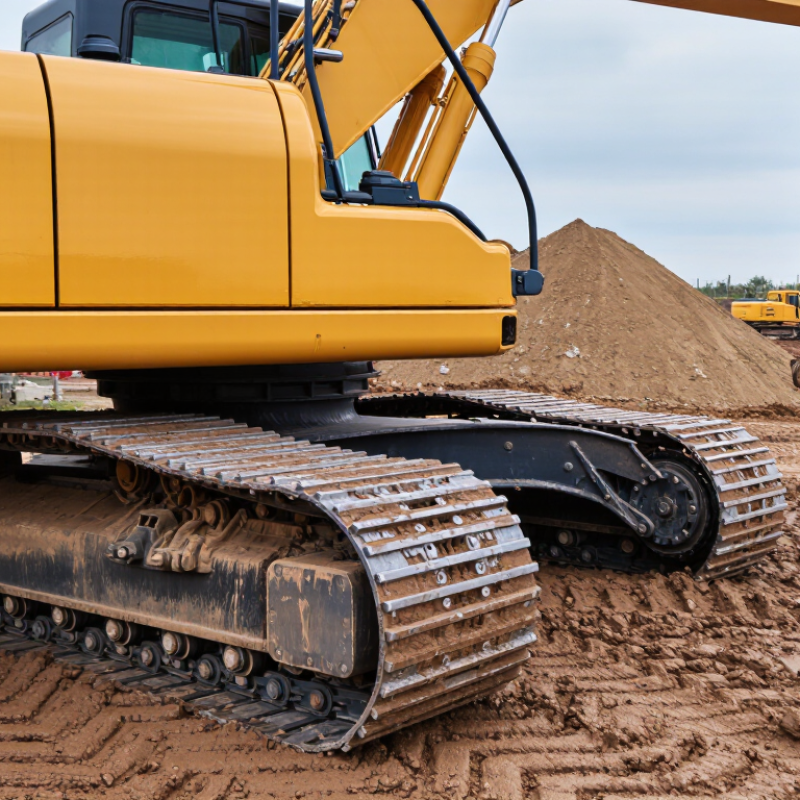
Excavator tracks convert engine power into controlled ground movement. They also spread machine weight across soil. The main parts are track shoes, links, rollers, idlers, and sprockets. A 2024 Off-Highway Research review identifies crawler excavators as one of the largest tracked equipment segments worldwide. That demand reflects their stability on uneven construction sites.
Track shoes are the metal plates touching the ground. Their width affects flotation, while their grousers provide grip in mud or loose soil. Track links form the continuous chain. Pins and bushings connect each link, but abrasive sand can wear these joints quickly. Rollers support the chain and carry machine weight. Bottom rollers face constant shock. Top rollers guide the slack section.
The front idler keeps track tension aligned and absorbs movement. A recoil spring behind it helps protect the frame when the track meets a buried rock. The sprocket engages the link bushings and transfers final-drive torque. Worn teeth can produce skipping, vibration, and uneven travel. The Construction Equipment Association reported in its 2023 maintenance guidance that undercarriage wear can represent up to half of an excavator’s routine operating cost. Exact percentages vary by soil and maintenance quality. Field conditions defeat neat calculations. Daily cleaning and measured tension still matter. A track that looks tight may already be over-tensioned.
Excavator tracks convert hydraulic power into controlled movement across soil, gravel, and uneven ground. The process begins when the engine drives a hydraulic pump. The pump sends pressurized oil through control valves to a travel motor. Inside the motor, oil pressure turns a rotating assembly. That rotation is fast but produces limited torque. A planetary reduction gearbox slows it and multiplies torque. Simple in principle.
The final gear meshes with the track sprocket, a toothed wheel inside the track frame. As the sprocket turns, its teeth pull the track chain around the rollers and front idler. The chain carries steel or rubber shoes that press against the ground. Ground resistance creates the force that moves the excavator. Steering usually comes from different motor speeds on each side. One track may slow while the other continues. Precise valve control matters here.
In field inspections, a hot travel motor can signal restricted flow or excessive load. Jerky motion may point to worn gears, air, or damaged seals. Symptoms can overlap. Technicians should compare pressure, flow, temperature, and track tension before replacing components. Overtight tracks increase friction and heat, while loose tracks can derail. This balance is easy to underestimate. Maintenance limits are useful, but muddy slopes and heavy attachments still change performance. Not always obvious.
Excavator tracks transfer engine power through the sprocket, which engages the track chain and moves it around the rollers. Each chain link uses a fixed pitch, measured between neighboring pin centers. Correct pitch keeps the chain, sprocket, and rollers working together smoothly.
Track tension controls how the chain moves across the undercarriage. A small amount of slack is normal. Too much slack can cause derailment, especially during side travel or turning. Excessive tension creates heat and accelerates wear on pins, bushings, rollers, and the final drive. Measure sag on level ground, with the track cleaned and positioned according to the service procedure. Mud can make a careful measurement misleading.
Alignment deserves equal attention. The idler, rollers, and sprocket should guide the track in one consistent line. Uneven wear, damaged guards, or packed stones can push the chain sideways. I have seen a machine appear correctly tensioned, yet its track walked off because debris blocked the undercarriage path. Small details matter.
Adjust tension through the approved grease or hydraulic system, and keep hands away from moving components. Never judge tension by appearance alone. A practical check includes listening for unusual clicking, checking roller contact, and comparing both sides. Field conditions are rarely perfect, so record measurements and inspect again after several working hours.
What Are Excavator Tracks and How Do They Work?
Excavator tracks spread machine weight across a wider ground area. This reduces pressure on soil, gravel, and temporary access roads. Ground pressure is commonly calculated as operating weight divided by the effective track contact area. A 20,000-kilogram excavator with 3.5 square metres of contact area applies about 5.7 psi. That sits within the typical 4–8 psi range reported for many tracked excavators. ISO 16754:2008 provides a standardized method for measuring this pressure. Its procedure considers machine mass, track geometry, and the actual supporting surface. The result is an average value, not a guarantee for every soil condition.
The 4–8 psi range can be useful, but it is not a safe-work shortcut. Wet clay may deform under pressure that dry compacted soil easily supports. Uneven terrain also concentrates load beneath individual shoes and rollers. Industry construction-equipment field guidance often recommends checking soil bearing capacity, moisture, and slope conditions before mobilization. I have seen pressure estimates look acceptable on paper, yet tracks still cut deeply after rain. That gap deserves attention. Track width, counterweight, attachments, and bucket position can change the working pressure significantly.
Tips: Measure the machine in its operating configuration. Include fuel, attachment weight, and lifted material. Use the ISO method for comparison, then confirm conditions with a site-specific ground assessment. Record track contact length after setup, because real contact may differ from catalog dimensions.
Representative ground-pressure values based on the commonly cited 4–8 psi operating range and the measurement principles of ISO 16754.
Excavator tracks distribute machine weight over a larger contact area than wheels, reducing ground pressure and improving stability on soil. Ground pressure is commonly evaluated by dividing the machine load by the effective track-ground contact area. Actual results vary with operating weight, track width, soil conditions, track tension, and attachment position.
Excavator tracks transfer the machine’s weight to the ground and create traction for digging, lifting, and travel. Steel tracks suit demanding work such as quarrying, demolition, trenching, and rocky terrain. Their metal shoes resist sharp debris and heavy impact. However, they can damage asphalt, finished concrete, and landscaped surfaces. They also create more vibration for the operator.
Rubber tracks work better on sensitive surfaces. They leave less marking on lawns, paved drives, and completed floors. They also reduce travel noise and vibration around buildings. This makes them practical for landscaping, utility repairs, and urban maintenance. They are not indestructible. Sharp steel scraps, broken concrete, and excessive spinning can cut the rubber quickly. The choice is not always tidy.
Machine weight must guide the decision. A heavier excavator applies greater ground pressure, even with wide tracks. On wet clay, it may still sink. Wider steel or rubber tracks can reduce pressure, but they cannot replace proper site assessment. Check the operating weight, track width, soil condition, and daily travel distance before ordering. A small machine may perform well with rubber tracks, while a larger machine often needs steel for long-term durability.
Field inspections matter too. Measure tread wear, inspect the undercarriage, and maintain correct track tension. Loose tracks can derail; tight tracks increase wear. Choosing only by purchase price is a common mistake. A cheaper option may cost more after repeated repairs, surface damage, or downtime. Weather can change the answer, so review the selection after rain, not only on a dry morning.
Accreditations
ISO 9001 Quality Management
HSE Management Compliant
Products and services comply with relevant Australian (AS) and international (ISO, etc.) Standards.
"*" indicates required fields