What is an Electrical Breaker and How Does it Work?
Electrical Breakers are essential components in modern electrical systems. They provide safety by interrupting the flow of electricity when faults occur. According to a report by the National Fire Protection Association (NFPA), electrical failures cause around 24,000 home fires annually in the U.S. This statistic highlights the importance of reliable electrical breakers.
These devices protect homes and businesses from electrical overloads and short circuits. The U.S. Department of Energy indicates that proper usage of electrical breakers can significantly reduce risks associated with electrical hazards. However, many users may overlook their maintenance. A faulty circuit breaker can lead to serious accidents and damages.
Understanding how electrical breakers work is crucial for any homeowner or electrician. Most breakers operate using mechanical and thermal sensors to detect excess current. Yet, many people still misuse or ignore the state of their breakers. Regular inspections can prevent potential failures and ensure safety. As our reliance on electricity grows, so does the need for better awareness of electrical breakers.
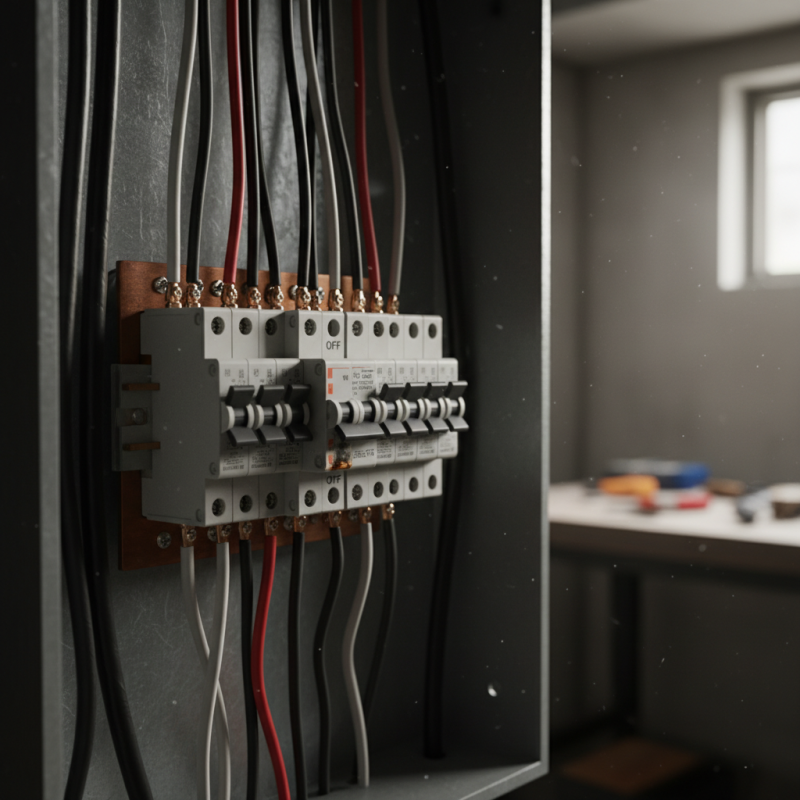
Definition of an Electrical Breaker and Its Purpose
An electrical breaker is a device that protects electrical circuits from overloads and short circuits. Its primary purpose is safety. When current exceeds a certain limit, the breaker interrupts the flow, preventing potential fires or damage. This interruption is crucial in maintaining a safe environment in homes and businesses.
Understanding how breakers function is important for everyone. They work by using switches that can automatically turn off the current when issues are detected. Regularly checking your breaker panel can help identify signs of wear. If you notice frequent tripping, it may indicate larger problems within your electrical system.
Tips: Always keep a flashlight near your breaker box. In case of a power outage, you’ll need it. Also, label each breaker clearly. This will save time during emergencies.
Regular maintenance is key. Schedule professional inspections to ensure your breakers are functioning correctly. Proper functioning reduces risks and enhances reliability. Don't overlook these details.
Main Components of an Electrical Breaker
Electrical breakers are essential devices that protect circuits from overloads and short circuits. Understanding their main components reveals how they operate efficiently. A breaker typically consists of several key parts: the switching mechanism, the contact assembly, and the trip unit. Each component plays a critical role in function and safety.
The switching mechanism allows for the manual operation of the breaker. It can either open or close the electrical circuit. The contact assembly is crucial for establishing the connection. When the current exceeds safe limits, these contacts separate to interrupt the flow of electricity. According to the International Electrotechnical Commission, an estimated 30% of electrical failures occur due to defective circuit breakers. This statistic highlights the importance of understanding and maintaining these components.
The trip unit monitors the electrical flow and reacts to anomalies. There are thermal, magnetic, and electronic trip units, each providing specialized protection. Thermal trip units respond to heat generated by excessive current. Magnetic trip units react swiftly to short circuits. In contrast, electronic trip units offer advanced functionalities, providing customizable settings. However, with such diverse technology, users must understand their specific needs and limitations.
Types of Electrical Breakers and Their Applications
Electrical breakers play a critical role in our daily lives. They are safety devices that interrupt the flow of electricity when a fault occurs. Understanding the types of electrical breakers is crucial for effective application.
There are several types of electrical breakers. Circuit breakers protect individual circuits from overloads. They automatically disconnect power when too much current flows. Residual Current Devices (RCD) prevent electric shock by tripping in case of a fault. Miniature Circuit Breakers (MCB) handle smaller loads and are compact in design. Each type has its own application, tailored to specific needs.
Tips: Ensure your electrical system uses the appropriate breaker type. Regular inspections can prevent potential hazards. Educate yourself about these devices. Knowing how they function can enhance safety in your home and workplace. Choosing the right breaker requires careful consideration of your electrical needs. Think about the load and environment.
Mistakes can happen in selection. Overestimating your needs can lead to inadequate protections. Reflect on your choices and seek advice if unsure. Taking the time to choose wisely will pay off in safety and reliability.
How Electrical Breakers Detect Overloads and Short Circuits
Electrical breakers play a vital role in modern electrical systems. They are designed to protect circuits from overloads and short circuits. Understanding how they operate can help with safety and maintenance in any electrical setup.
When current flows through a circuit, electrical breakers monitor the flow. If the current exceeds a safe level, the breaker detects this overload. It responds quickly, interrupting the circuit to prevent damage. This quick action is crucial to preventing fires or equipment failure. In case of a short circuit, where there's a direct path for current, the breaker reacts even faster. The sudden surge of electricity triggers a mechanism, ensuring safety.
Sometimes, breakers may trip unnecessarily. This could indicate a fault in the system or could simply be due to sensitive settings. It's essential to investigate the cause of these trips. Regular checks and maintenance can prevent unexpected disruptions. A deeper understanding of how breakers function fosters a safer electrical environment.
Electrical Breaker Performance: Overload vs. Short Circuit Detection
This bar chart illustrates the detection time for electrical breakers to identify overloads and short circuits. It shows that overload detection typically takes about 50 milliseconds, while short circuit detection is much faster, at approximately 5 milliseconds.
Steps to Reset and Maintain an Electrical Breaker
Resetting and maintaining an electrical breaker is essential for safety and efficiency. If your breaker trips, it indicates an overload or short circuit. To reset it, first locate the breaker panel. Open the panel door and find the tripped breaker, which is usually in the middle position. Push it fully to the "off" position, then back to "on." Check your appliances to ensure they are not causing the issue. If the breaker trips again, there might be a bigger problem.
Regular maintenance is just as important. Dust and debris can accumulate around breakers, which can lead to overheating. Ensure the panel area is clean. Inspect the breakers for any signs of wear or corrosion. If you notice any unusual sounds or smells, consult a professional electrician. Sometimes, breakers may not function as they should. This could be a sign of a deeper issue, such as faulty wiring. Keeping your electrical system in good shape is key for safety. It’s worth taking the time to check and maintain your breakers.
What is an Electrical Breaker and How Does it Work? - Steps to Reset and Maintain an Electrical Breaker
| Feature | Description |
| Function | Automatic disconnection of electrical circuits in case of overload or short circuit. |
| Types | Standard, GFCI (Ground Fault Circuit Interrupter), and AFCI (Arc Fault Circuit Interrupter). |
| Typical Ratings | 15A, 20A, 30A, 50A, depending on the application. |
| Resetting Steps | 1. Turn off all devices powered by the circuit. 2. Locate and switch the breaker to the "OFF" position. 3. Wait a few seconds, then switch it back to "ON". |
| Maintenance Tips | Regularly check for tripped breakers, ensure proper connections, and keep the panel clean. |
| Common Issues | Frequent tripping can indicate overloading, faulty appliances, or wiring issues. |
| Safety Measures | Do not overload circuits, use appropriate breakers, and consult an electrician for persistent issues. |