Best Check Valve Types for Every Application Explained?
In various industries, selecting the right check valve is crucial. Check valves prevent backflow, safeguarding systems from potential damage. With different types available, applying the correct kind for each specific use is essential.
Understanding check valves isn’t always straightforward. Some might feel overwhelmed by the choices. Yet, a suitable check valve can enhance performance significantly. It is vital to consider aspects like material, pressure requirements, and flow direction. Each valve type offers unique advantages and is designed for specific applications, whether in water systems or oil pipelines.
Navigating through these options may seem daunting. However, grasping the basics helps in making informed decisions. Each check valve has its own strengths and weaknesses. It's important to reflect on various scenarios before making a choice. Selecting the proper check valve can optimize system efficiency and reliability.
Overview of Check Valve Types and Their Functions
Check valves are essential components used to prevent backflow in various systems. They come in several types, each designed for specific applications. Understanding the differences helps in selecting the right check valve for your needs.
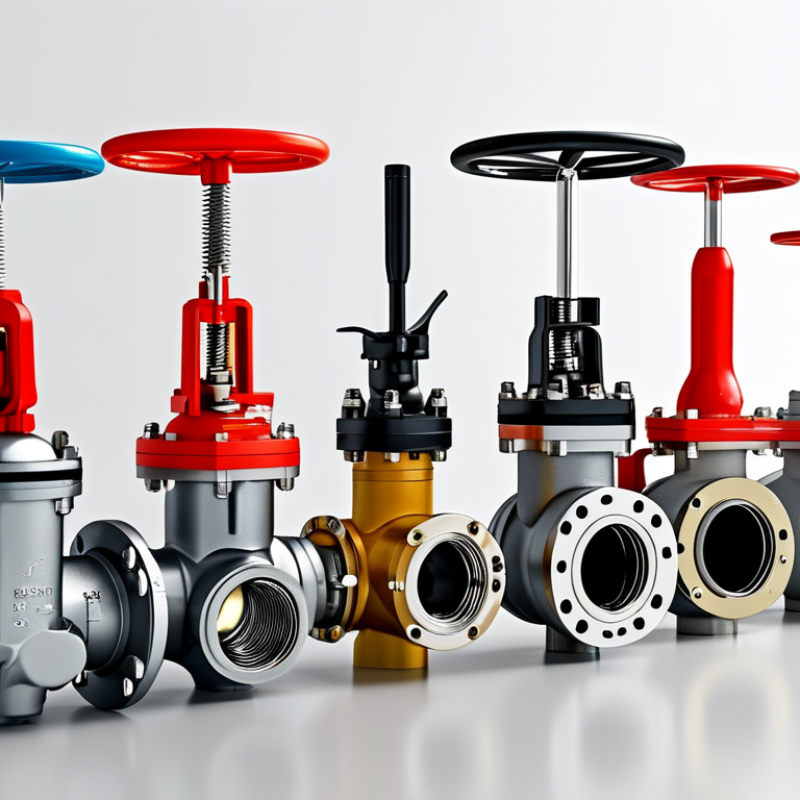
The most common types include ball check valves, swing check valves, and diaphragm check valves. Ball check valves use a ball that moves up and down with the flow, ideal for quick closing. Swing check valves feature a hinged disc that swings away from the flow, suitable for larger pipes. Diaphragm check valves have a flexible diaphragm that opens and closes with pressure differences, providing a reliable seal.
For those new to choosing check valves, consider the specific requirements of your system. Assess the pressure, flow rate, and environment. Valves must match the line size and material. Using mismatched valves can lead to failures.
One key point to remember is maintenance. Regularly inspect check valves for wear or buildup, which can hinder performance. This ensures longevity and reliability, reducing costly downtimes.
Common Applications for Different Check Valve Types
Check valves are essential components in various applications. Understanding the right type of check valve improves system reliability. Different designs address specific needs, like preventing backflow and maintaining pressure.
Swing check valves work well in low-pressure systems. They allow fluid flow in one direction. These valves are ideal for wastewater management. They require gravity to function effectively. A potential issue is their sensitivity to debris. Regular maintenance helps mitigate this.
Spring-loaded check valves excel in high-pressure situations. They can close quickly, reducing water hammer effects. These valves are suitable for chemical processing. However, they may need more frequent inspections. Keep wear and tear in check to ensure efficiency.
Diaphragm check valves are great for sensitive applications, like pharmaceutical processes. They prevent contamination effectively. Their drawback is potential for limited flow. Assess flow rates during design to avoid bottlenecks. Always align valve selection with your system's needs.
Advantages and Disadvantages of Each Check Valve Type
When selecting a check valve for a specific application, it’s essential to understand the advantages and disadvantages of each type. For instance, ball check valves are popular due to their simple design and reliable performance. They prevent backflow effectively, making them ideal for systems where space is limited. However, they can be susceptible to debris clogging. Therefore, regular maintenance is necessary to ensure optimal functionality.
Swing check valves, on the other hand, function well in larger pipelines. Their design allows for minimal pressure drop, making them energy efficient. Still, they require a certain level of fluid velocity to operate correctly. In low-flow applications, they might fail to close properly, which can lead to backflow issues. These nuances underline the importance of selecting the right type based on the specific operational conditions and constraints.
Diaphragm check valves offer another solution. They excel in regulating flow under varying pressure conditions. This versatility is a significant advantage. However, they might wear out faster than other types, especially in abrasive environments. Understanding these pros and cons is crucial for ensuring reliable system performance. Each type of check valve has its place, but the choice depends on the application’s unique requirements.
Best Check Valve Types for Every Application Explained
This chart illustrates the advantages and disadvantages of various check valve types on a scale of 1 to 5, providing a quick reference for selecting the appropriate type for different applications.
Key Considerations for Selecting Check Valves
When selecting check valves, various factors come into play. The application determines their design and functionality. Factors like pressure, temperature, and flow direction must be considered. Understanding these elements can lead to a better choice for industrial systems. A recent industry report highlights that proper valve selection contributes to a 20% increase in overall system efficiency.
Material compatibility is vital for durability. Stainless steel is often chosen for its corrosion resistance. In contrast, plastic check valves may suit less demanding environments. For high-temperature applications, specialized materials are necessary. Industry standards recommend ensuring the selected valve can handle the environmental conditions, which reduces the risk of failure.
Keep in mind that installation plays a role in valve performance. Proper orientation can prevent malfunctions. It's crucial to follow the manufacturer’s guidelines. Regular maintenance checks can also extend the life of the valves. Assessing the actual application and seeking expert advice can help mitigate common pitfalls. Even experienced engineers occasionally misjudge the requirements. This emphasizes the importance of careful evaluation in valve selection.
Maintenance and Care for Optimal Check Valve Performance
Regular maintenance is crucial for ensuring optimal performance of check valves in various applications. Neglecting care can lead to failures, costly repairs, and system inefficiencies. According to a report by the Hydraulic Institute, improper maintenance can decrease valve efficiency by as much as 20%. This inefficiency not only affects operational costs but can also lead to safety hazards in critical systems.
Understanding the specific needs of your check valve type is essential. For instance, spring-loaded check valves may require periodic inspection of the spring tension. Ball check valves should be checked for debris that could jam their mechanism. Monitoring for leaks and unusual noises can also provide early warnings of potential failure.
A common oversight is failing to document maintenance activities. Keeping accurate logs helps identify patterns and upcoming needs, ensuring timely interventions. Regularly scheduled inspections should be part of your operational plan. When in doubt, consult a valve specialist for in-depth analysis. Their expertise can illuminate hidden issues that may otherwise go unnoticed.