
Choosing the right Wheel Hub Assembly in 2026 requires more than comparing prices or counting mounting bolts. Vehicle design, sensor integration, load ratings, and repair conditions all influence the correct choice. The leading types include integrated hub bearing assemblies, bolt-on units, serviceable tapered-roller designs, driven hubs, and sensor-ready assemblies for modern safety systems.
Automotive wheel-end specialist Brian Rigney explains, “A hub assembly is only reliable when its bearing, flange, seal, and sensor work as one system.” That principle remains practical on the workshop floor. A technician may see a clean flange, yet hidden corrosion can distort sensor readings. A quiet bearing can still show early play under load. Small details matter.
This guide examines the 2026 top Wheel Hub Assembly types and the vehicles they support. It considers passenger cars, light trucks, electric vehicles, and demanding commercial applications. Each design brings a different balance of durability, serviceability, weight, and installation speed. Some assemblies reduce maintenance. Others provide easier bearing replacement.
Not every “premium” unit performs better.
Real-world mileage, road salt, towing demands, and brake heat can change the decision. EVs add another concern because instant torque increases stress on wheel-end components. The most suitable assembly is not always the newest one. It is the design that matches the axle, sensor system, operating load, and maintenance plan. This overview also recognizes an uncomfortable point: incorrect installation can defeat even the best-engineered hub.
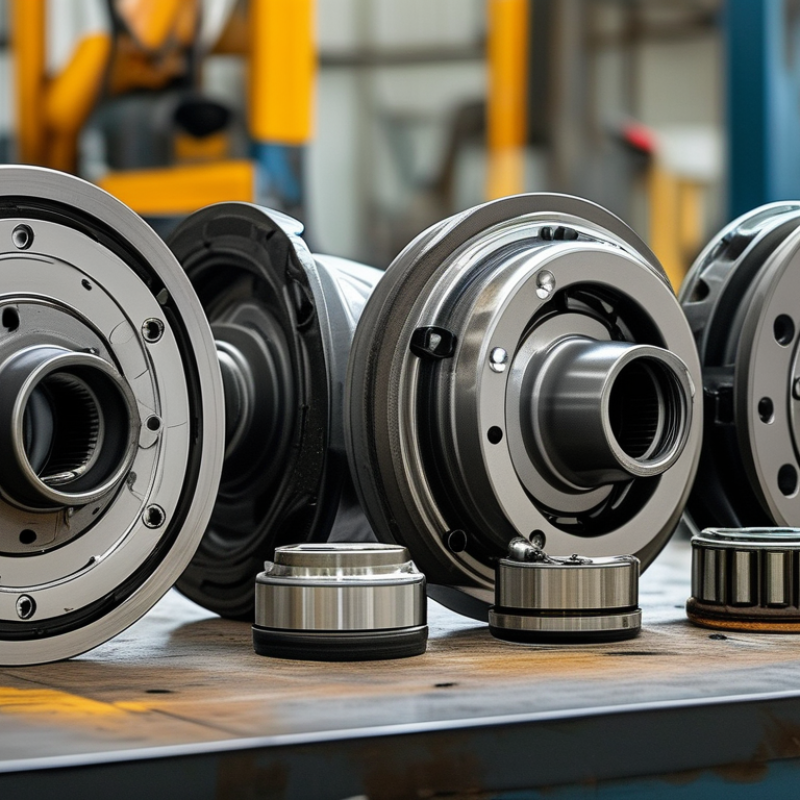
What Are the 2026 Top Wheel Hub Assembly Types?
A wheel hub assembly connects the wheel to the vehicle’s suspension and drivetrain. It carries vehicle weight while allowing the wheel to rotate smoothly. Inside, precision bearings reduce friction between the rotating hub and stationary knuckle. Many modern assemblies also include an ABS encoder or speed sensor. That signal helps the control system monitor wheel speed during braking.
The main 2026 types are bolt-on hub units, integral hub-and-bearing assemblies, and serviceable tapered-roller designs. Bolt-on units simplify replacement because the bearing is preloaded at the factory. Integral assemblies often combine the hub, bearing, flange, and ABS sensing ring. Serviceable designs allow cleaning, grease replacement, and adjustment. However, they demand careful preload measurement. Guessing can create dangerous heat or looseness. S&P Global Mobility reported that the average U.S. light vehicle age reached 12.6 years in 2024. Older vehicles may need more frequent bearing inspections. NHTSA’s 2022 Traffic Safety Facts recorded 622 fatalities involving tire-related crashes. This figure does not prove hub failure, but it reinforces the value of complete wheel-end checks. Not every noise is a hub.
Tips: Raise the vehicle safely, then check play at the wheel. Rotate it slowly. Listen for grinding, feel roughness, and compare both sides. A technician should inspect tire wear, axle torque, sensor wiring, and suspension joints before replacing parts. A road test helps, but it is not a final diagnosis. Reports guide decisions; the vehicle still needs evidence.
Wheel hub assemblies combine the wheel mounting hub with a bearing and, in many modern designs, an ABS wheel-speed sensor. Generation 1 uses a separate bearing installation, Generation 2 adds one integrated mounting flange, and Generation 3 typically integrates mounting flanges on both sides with optional sensor integration. The chart compares the defining features commonly associated with each design.
As vehicle platforms evolve, wheel hub assemblies are classified by construction, mounting method, and sensor integration. The most common 2026 designs include press-in, bolt-in, and fully unitized hubs. A press-in bearing fits inside a separate knuckle or hub carrier. It requires controlled force and accurate alignment during installation. A bolt-in unit attaches with fasteners, making replacement more straightforward in many service bays. Some assemblies combine the hub, bearing, flange, and ABS encoder ring. That compact design reduces installation errors.
Function creates another useful classification. Driven hubs transfer engine torque through the axle and splines. Non-driven hubs mainly support wheel loads and maintain smooth rotation. Assemblies with integrated speed sensors support braking and stability systems. Heavy-duty versions may use larger bearings, stronger flanges, and improved sealing. They suit vehicles facing high payloads, rough roads, or frequent towing. Not every sealed hub is maintenance-free in real conditions.
During workshop inspections, I check play, rotation noise, seal damage, and sensor wiring. Noise alone cannot confirm a failed hub. Tire wear, loose fasteners, or bent suspension parts can create similar symptoms. Service manuals and measured torque values remain essential for reliable installation. One practical weakness is that catalog classifications can appear too simple. The same mounting style may handle very different loads. Real selection should consider axle position, vehicle weight, sensor design, road exposure, and repair access. A small connector detail can change the entire service procedure.
In 2026, the leading wheel hub assembly types are integrated, sensor-ready, and application-specific designs. Integrated hub assemblies combine bearings, mounting flanges, and wheel-speed sensor provisions in one unit. They reduce installation steps and help maintain accurate wheel alignment. Sensor-ready versions support modern braking and stability systems. These systems require precise signal quality.
Press-in hub bearings remain common in repair workshops. They offer flexibility when the housing is reusable. However, installation demands the correct press adapters and steady force. A tilted bearing can create noise, heat, or early wear. Bolt-on units are often faster to replace. Their success depends on clean mounting surfaces and accurate torque.
Tips: Check the vehicle’s axle position, sensor design, and bearing load rating before ordering. Compare the old assembly carefully. Look for connector shape, flange holes, and spline condition. Experienced technicians also inspect rust behind the mounting face. Small corrosion ridges can affect seating. A calibrated torque wrench matters.
Driven hubs handle engine torque through the axle spline. Non-driven hubs mainly support wheel loads and braking forces. Some newer assemblies include stronger sealing for water, dust, and winter debris. That sounds ideal, but no seal survives careless handling. Avoid hammering the bearing or pulling the vehicle by the cable. A short road test can reveal humming, vibration, or warning lights. Yet symptoms can overlap, so diagnostic readings should support physical inspection.
In 2026, wheel hub assemblies mainly serve passenger cars, SUVs, pickups, trailers, and commercial vehicles. Driven hubs contain splined centers that transfer engine power through the axle. They suit front-wheel-drive, rear-wheel-drive, and all-wheel-drive vehicles. Their design must match axle size, spline count, and wheel speed sensor placement.
Non-driven hubs support wheels without transferring engine torque. They commonly fit trailer axles, some rear-wheel-drive applications, and older vehicle platforms. Compact cars often use bolt-on hub units, which simplify replacement and maintain accurate bearing alignment. Heavy pickups may require larger hub assemblies with stronger flanges and tapered bearings. Electric vehicles need careful selection because greater vehicle weight can increase bearing loads.
Tips: Check the vehicle’s axle position, sensor connector, mounting pattern, and load rating before ordering. Measure twice. A quiet road test can reveal roughness, humming, or play after installation. I have found that visual similarity can mislead technicians, especially when two hubs share the same bolt pattern. Confirming the original part number remains wise, although it should not replace checking the actual vehicle specification. Temperature, road salt, and frequent towing may also shorten service life.
Choosing a 2026 wheel hub assembly starts with vehicle fitment, not appearance. Check the model year, drivetrain, axle position, and bearing dimensions. A front driven hub may include a flange, bearing, and speed sensor. A rear non-driven unit may use a different mounting pattern. They can look nearly identical.
Compare hub types by function. Press-in bearings suit some older designs and require accurate installation tools. Bolt-on assemblies install faster and often include integrated ABS sensing. Driven hubs must match spline count, flange size, and torque requirements. For heavy loads, compare load ratings, sealing design, and corrosion resistance. Ask for material details and inspection records. A reliable supplier should provide clear specifications, traceability, and testing information.
Installation experience still matters. Measure the old unit, inspect the knuckle, and check the connector for damaged pins. A visual match can mislead. I have seen small sensor differences create warning lights after installation. Do not ignore noise, uneven rotation, or loose studs. Compare price only after confirming fitment, sensor quality, machining accuracy, and warranty terms. Sometimes the cheaper assembly costs more after repeated labor. Check everything twice.
| Hub Assembly Type | Typical Configuration | Common Vehicle Position | Integrated Features | Main Advantages | Main Limitations | Best-Fit Applications | Buyer Priority |
|---|---|---|---|---|---|---|---|
| Generation 1 Hub Bearing Unit | Single-row or double-row bearing pressed into a separate knuckle or carrier; the hub and bearing are generally serviced as a unit. | Front or rear non-driven wheel positions, depending on vehicle design. | Sealed bearing unit; usually no integrated wheel-speed sensor. | Simple construction, broad application coverage, and generally straightforward replacement. | Requires correct pressing procedures; the original knuckle and press tooling may be needed. | Older passenger cars and light commercial vehicles with press-in bearings. | Fitment: High Serviceability: Medium |
| Generation 2 Flanged Hub Unit | Sealed bearing combined with a flange and mounting points; the unit bolts into the knuckle or axle assembly. | Commonly front or rear, including many non-driven applications. | Wheel flange, bearing, mounting flange, and sometimes a tone ring or sensor target. | Faster installation than a press-in bearing; consistent preload and reduced assembly work. | Higher part cost than a basic bearing; flange runout and bolt torque must be controlled. | Vehicles designed for bolt-in service and reduced repair time. | Fitment: High Serviceability: High |
| Generation 3 Integrated Hub Unit | Hub, double-row bearing, flange, and mounting interface assembled as one complete module. | Front or rear driven and non-driven wheel positions. | Wheel flange, bearing, mounting flange, and frequently an encoder ring or wheel-speed sensing interface. | Fast replacement, controlled bearing preload, and reduced risk of installation contamination. | More expensive; incorrect sensor orientation, air gaps, or connector routing can cause warning lights. | Modern vehicles with electronic stability control, traction control, or advanced driver-assistance systems. | Fitment: Very High Serviceability: High |
| Driven Wheel Hub Assembly | Hub bearing unit with an internal spline or interface for a constant-velocity axle shaft. | Front-wheel-drive, rear-wheel-drive, and all-wheel-drive driven wheels. | Axle spline interface, wheel flange, bearing, and possible wheel-speed sensing components. | Supports drive torque while maintaining wheel alignment and smooth rotation. | Requires precise spline, axle nut, bearing, and sensor compatibility; incorrect torque can damage the bearing. | Drive wheels on passenger vehicles, SUVs, and light trucks. | Torque control: Critical Fitment: Critical |
| Non-Driven Wheel Hub Assembly | Hub and bearing unit without a drive-axle spline; may be press-in or bolt-on. | Rear wheels of many front-wheel-drive vehicles and selected trailer or utility applications. | Wheel flange, bearing, and optional encoder ring or sensor target. | Lower mechanical complexity and no axle-spline installation requirement. | Still requires accurate flange dimensions, bearing preload, and wheel-speed sensor compatibility. | Non-powered wheels where the hub only supports radial, axial, and cornering loads. | Fitment: High Installation: Medium |
| Tapered-Roller Trailer Hub | Hub with separate inner and outer tapered roller bearings, races, seal, and serviceable grease cavity. | Trailer axles and selected low-speed utility applications. | Removable bearings, grease seal, dust cap, and sometimes an integrated brake or hub interface. | Serviceable design, high radial-load capability, and adjustable end play. | Requires correct grease, seal installation, bearing adjustment, and periodic inspection. | Light- and medium-duty trailers that use serviceable wheel bearings. | Load capacity: High Maintenance: High |
| Heavy-Duty Truck Hub Assembly | Large hub and bearing system designed for high axle loads; may use unitized or serviceable bearing construction. | Steer, drive, or trailer axles on heavy commercial vehicles. | Heavy-duty bearing arrangement, wheel mounting flange or studs, seals, and optional wheel-speed sensing. | High load capacity, durability, and suitability for demanding operating cycles. | Higher mass and cost; installation requires specialized tools, torque procedures, and end-play checks. | Commercial trucks, buses, vocational vehicles, and high-load fleet operations. | Load capacity: Very High Service: Specialized |
| EV-Optimized Hub Assembly | Low-friction sealed hub bearing unit engineered for increased vehicle mass, regenerative braking, and electronically controlled chassis systems. | Driven and non-driven positions on battery-electric and hybrid vehicles. | High-resolution wheel-speed sensing interface, encoder ring, sealed bearing, and vehicle-specific mounting geometry. | Supports accurate speed measurement, quiet operation, and high continuous load requirements. | Strict electronic compatibility requirements; sensor damage or incorrect installation may affect braking and stability systems. | Battery-electric and hybrid passenger vehicles requiring vehicle-specific hub modules. | Sensor compatibility: Critical Noise control: High |
| Performance or Heavy-Load Hub Unit | Reinforced hub and bearing assembly with increased load rating or improved sealing for severe operating conditions. | High-performance, off-road, towing, and heavily loaded vehicle applications. | Upgraded bearing capacity, stronger flange, enhanced seals, and compatible speed-sensor interface. | Improved resistance to shock loads, contamination, heat, and repeated cornering forces. | May add weight and cost; a higher nominal load rating does not correct incorrect vehicle fitment. | Towing, off-road use, fleet duty, and vehicles exposed to severe road conditions. | Durability: High Weight: Medium |
| Direct-Replacement OE-Specification Unit | Replacement assembly matched to the original mounting, bearing, flange, sensor, and connector specifications. | Any vehicle position when the exact application data are verified. | Vehicle-specific bearing, flange, encoder or tone ring, sensor connector, and mounting hardware as applicable. | Best opportunity for correct installation, predictable sensor operation, and original geometry. | Requires accurate vehicle identification; visual similarity alone is not sufficient. | Routine repair where reliable fitment and electronic compatibility are the primary goals. | Fitment: Highest Risk: Lowest |
Accreditations
ISO 9001 Quality Management
HSE Management Compliant
Products and services comply with relevant Australian (AS) and international (ISO, etc.) Standards.
"*" indicates required fields