What Are the 2026 Top Central Air Conditioner Pump Types?
In 2026, the Central Air Conditioner Pump is no longer judged by horsepower alone. Modern systems demand quieter operation, better efficiency, and dependable condensate removal. A pump may run beside a basement furnace, inside a compact ceiling cassette, or behind a crowded service panel. Each location changes the selection decision.
This guide examines the leading pump types used with central air-conditioning systems. It covers condensate removal pumps, high-efficiency variable-speed pumps, chilled-water circulation pumps, and compact lift pumps. It also considers motor control, lift height, flow rate, noise, maintenance access, and sensor reliability. These details matter when summer humidity fills a drain pan faster than expected.
HVAC educator John Barba offers a practical rule: “Choose the pump for the system’s real duty point, not its advertised capacity.” That principle remains useful. A larger pump does not automatically provide better protection. It may cycle harshly, waste energy, or create unnecessary discharge noise. A smaller pump can struggle when the vertical lift increases.
The strongest 2026 models combine efficient motors, automatic restart, overflow protection, and clearer service indicators. Yet no pump is perfect. Even a reliable unit can fail when debris blocks the inlet or installers ignore the manufacturer’s slope requirements. This article compares the main pump technologies, explains where each performs best, and highlights the compromises buyers often overlook.
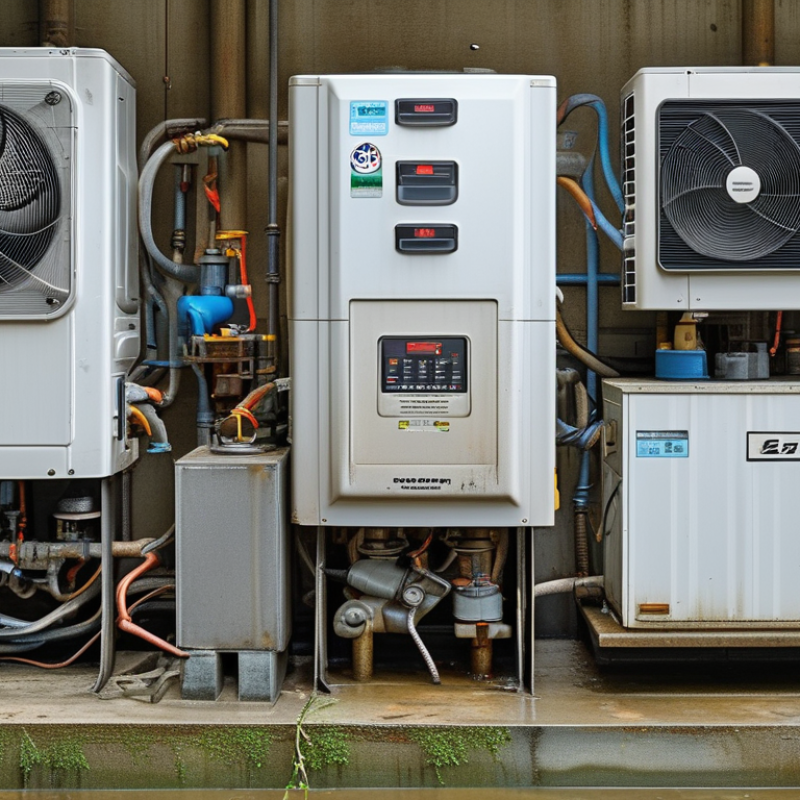
Central Air Conditioner Pumps: Definition and Main Functions
What Are the 2026 Top Central Air Conditioner Pump Types?
Central air conditioner pumps move or remove water within an air-conditioning system. They support cooling, drainage, and temperature control. The correct type depends on the system design, water volume, and required lift height.
Condensate pumps remove water collected from indoor evaporator coils. They are useful when gravity drainage is unavailable, such as in basement rooms or ceiling-mounted units. Chilled-water pumps circulate cooled water between the central chiller and indoor air-handling equipment. Primary pumps serve the cooling source, while secondary pumps distribute water through building zones. Variable-speed pumps adjust flow as demand changes. This can reduce energy use and limit pipe noise.
Pump selection requires more than checking a flow-rate label. Technicians should measure total head, pipe resistance, water temperature, and expected operating hours. A small condensate pump may need a reliable high-level alarm. A chilled-water pump may require precise control during partial building occupancy. Quiet operation matters in offices, hotels, and residential spaces. It is easy to overlook vibration.
Routine inspection should include filters, float switches, electrical connections, seals, and drainage lines. A pump may appear normal while its output slowly weakens. In my view, this is where maintenance decisions become less certain. Manufacturer data helps, but actual site conditions can disagree. Recording pressure, flow, noise, and cycling patterns gives technicians stronger evidence for safe adjustment or replacement.
What Are the 2026 Top Central Air Conditioner Pump Types?
Central air conditioner pumps remove condensate water from indoor cooling coils when gravity drainage is unavailable. The most common designs are centrifugal, diaphragm, and peristaltic condensate pumps.
The chart compares representative engineering values for commonly used pump designs. Centrifugal pumps generally provide higher flow, diaphragm pumps are suitable for compact intermittent drainage, and peristaltic pumps can provide reliable lift with low flow. Actual performance depends on head pressure, tubing length, temperature, installation height, and the specific system design; these figures are not market-share data.
How the Leading 2026 Pump Types Work
In 2026, central air conditioner pump selection often focuses on condensate removal. These pumps move water from the indoor coil to a drain point. The right design depends on lift height, drainage distance, and operating noise. A small pump can prevent overflow near ceilings, closets, or finished floors.
Centrifugal pumps remain common because an impeller pushes water through the discharge line. They work well with steady condensate flow and moderate lift. A float switch starts the motor when the tank fills. Piston and diaphragm pumps use repeated mechanical strokes instead. They create stronger pressure, making them useful for longer vertical runs. However, their cycling noise may be more noticeable at night. Peristaltic pumps squeeze flexible tubing with rotating rollers. The water never touches the motor chamber, which can improve contamination control. Their tubing eventually wears and needs inspection.
During field checks, I look for a clean inlet screen, secure tubing, and a tested safety switch. A pump rated for high lift may still perform poorly with sharp bends. That detail is easy to miss. No pump is perfect. Centrifugal models may struggle with debris, while peristaltic designs can lose flow as tubing ages. I would also verify actual discharge height, not rely only on the product label. Reliable installation means testing the system during a full cooling cycle and checking for leaks afterward.
How to Choose a Pump for a Central Air Conditioning System
What Are the 2026 Top Central Air Conditioner Pump Types?
How to Choose a Pump for a Central Air Conditioning System
In 2026, central air conditioner pumps should be selected by application, not horsepower alone. A condensate pump removes water from the indoor coil pan. A chilled-water circulation pump moves water through coils and piping. Heat-recovery systems may require another pump curve entirely. Confusing these duties can create noise, overflow, or unstable cooling.
Measure the required flow rate and vertical lift before comparing models. A basement mechanical room may need greater head pressure than a rooftop unit. Check pipe diameter, fluid temperature, electrical supply, and connection size. Variable-speed pumps can reduce energy use when cooling demand changes. However, simple fixed-speed pumps may be more dependable in smaller systems. Less complexity helps.
In field inspections, I look for access around the pump, not only its rated capacity. Filters, float switches, and check valves should remain easy to service. Choose corrosion-resistant materials when condensate is acidic or the environment is humid. Listen for vibration after installation. A neat calculation can still fail when air enters the line. I once underestimated drainage distance on a compact installation. The pump worked, but its frequent cycling shortened maintenance intervals. That mistake still influences how I check layouts.